A field notebook of Southwest archaeology
The ancestral Southwest, read layer by layer
The Notebook explains the archaeology of the American Southwest for serious travelers and readers: how the Pecos Classification orders a thousand years of Pueblo history, what the great houses of Chaco Canyon were for, how to tell a petroglyph panel from a casual scrawl, and how to stand inside a cliff dwelling without taking anything away but observations.
Ancestral Puebloans · Chaco · Mesa Verde · Rock art · Pottery · Etiquette
01-06The six strata of the notebook
Six cultural layers, from the first peoples to the way we learn about them, each dug by its own field notes.
-
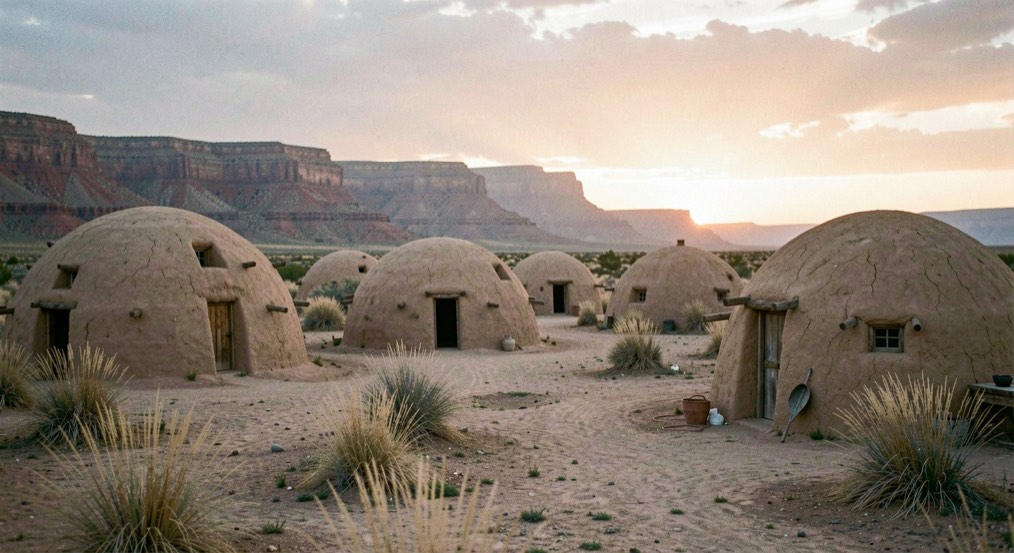
01
Ancient Peoples
The Pecos Classification, the great migrations and the Mogollon and Hohokam neighbors, told from the evidence rather than the legend.
-
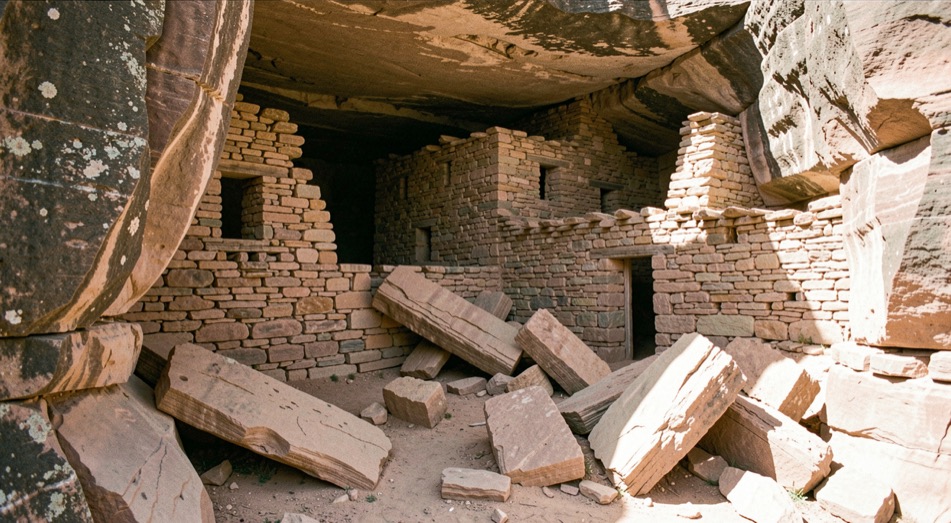
02
Iconic Sites
Chaco Canyon, Mesa Verde and a comparison table that helps you choose between the landmark ruins before you burn a tank of gas.
-
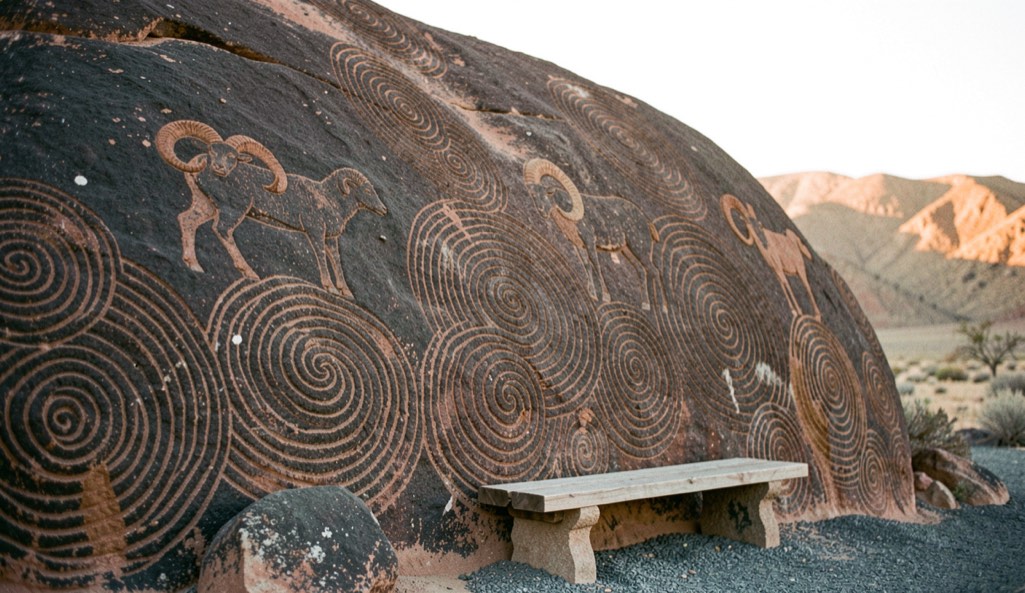
03
Rock Art & Petroglyphs
Technique first, interpretation second, and a visitor code that keeps the panels for the next century of readers.
-

04
Pottery & Artifacts
The painted history of the ancient Southwest, read one sherd, one type name and one museum case at a time.
-
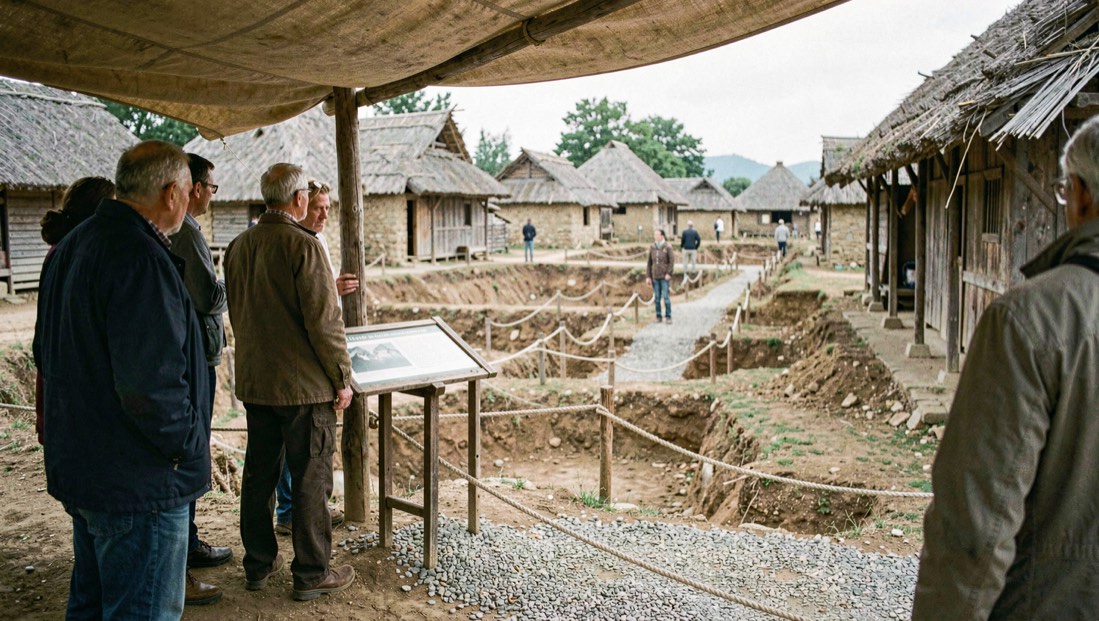
05
Visit Responsibly
Checklists, etiquette and law: everything that happens before and after the visit decides whether the site survives it.
-
06
Learning Resources
Where to go after the notebook: six serious books, and the site steward programs that turn readers into guardians.
NOTEBOOKThe field journal
Every field note we publish, dated, from the six strata of the notebook.
-
· Ancient Peoples
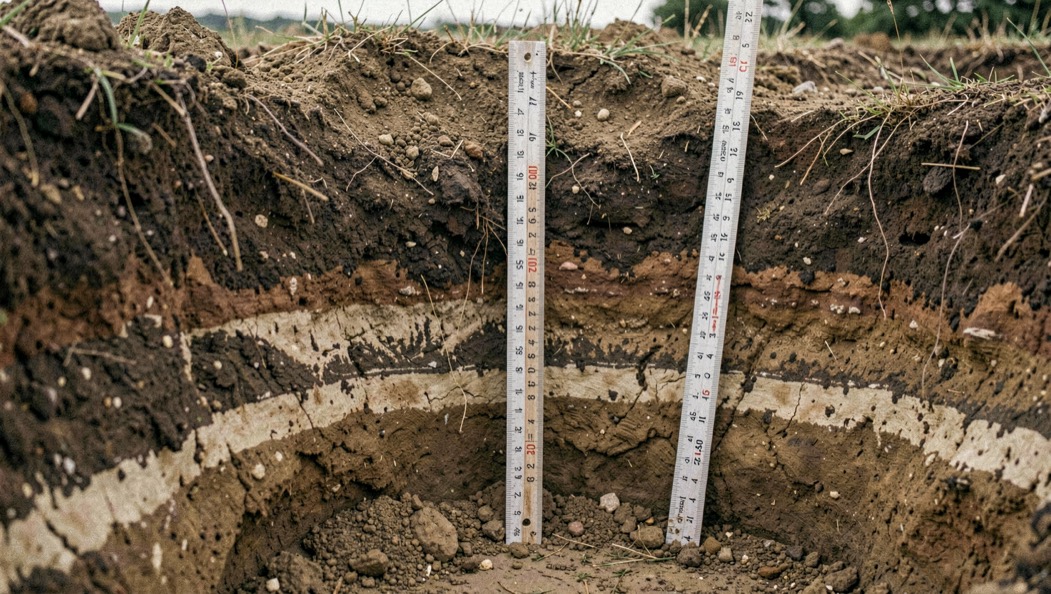
The Pecos Classification, period by period
Every site sign in the Southwest speaks in period names: Basketmaker III, Pueblo II, classic horizon. The scheme behind those words is one hundred years old, remarkably sturdy, and easier to use than most guidebooks admit.
-
· Pottery & Artifacts
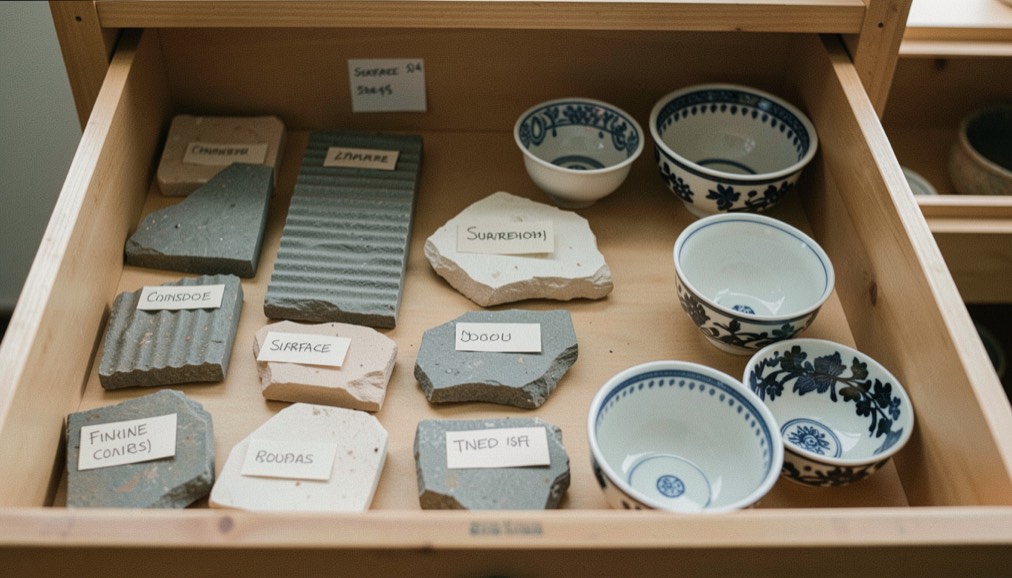
Southwestern pottery types, color by period
A Southwestern sherd is a dated letter from a vanished kitchen. Learn the color system behind the type names and every museum case, ruin trail and excavation report in the region opens like a book.
-
· Ancient Peoples
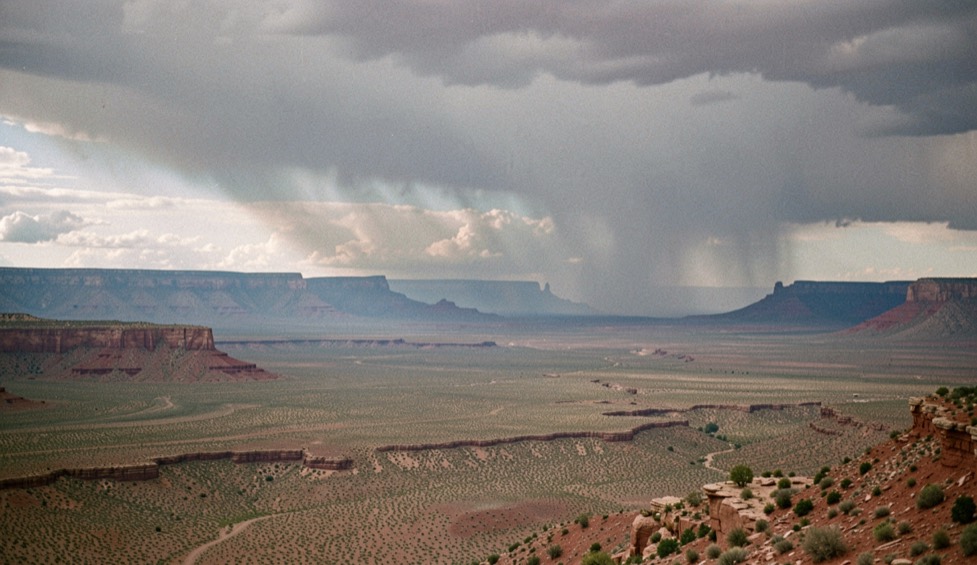
Where the Ancestral Puebloans went
The most durable myth in Southwest archaeology is that a whole people disappeared. The evidence says something quieter and more interesting: villages dissolved, people moved in known directions, and their descendants live where they said they would.
-
· Visit Responsibly
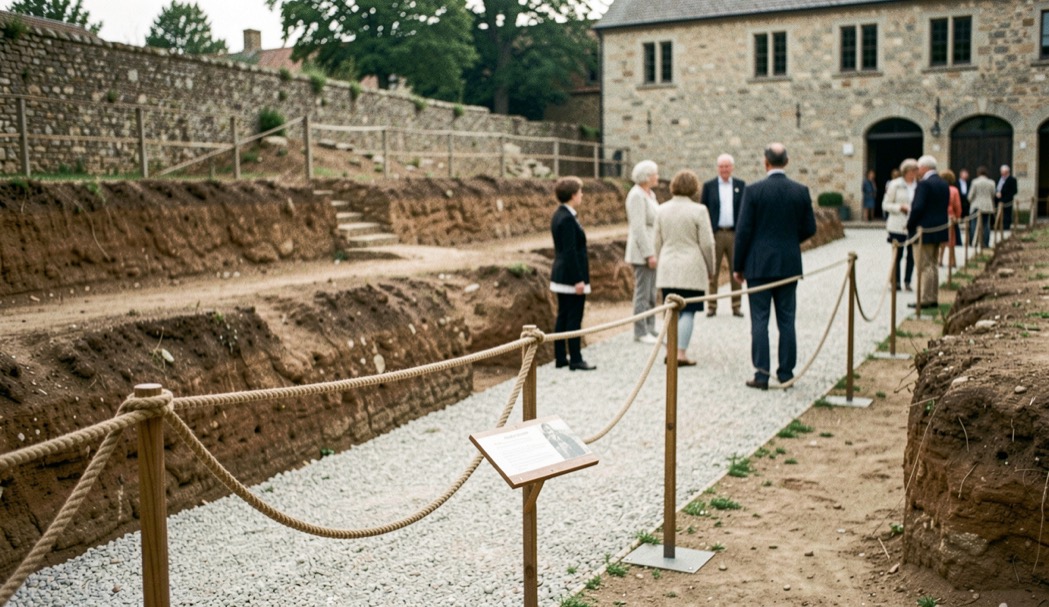
Visiting an archaeological site with care
A ruin visit is easy and it is rule bound, and the rules are not bureaucracy; they are the accumulated reasons sites survive. This checklist carries you from packing the car to leaving no trace that time can blame on you.
-
· Iconic Sites
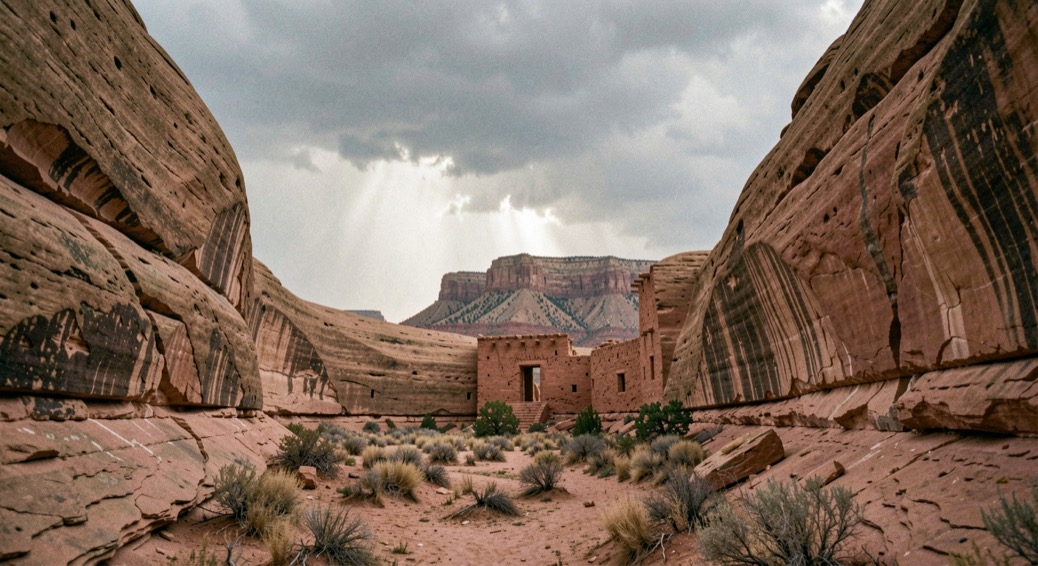
Chaco Canyon: reading the great houses
Chaco is the Southwest at its most architectural and its most argumentative. A century of research has dated the walls precisely and still cannot agree on what the whole machine was for, which is exactly why it rewards a prepared visit.
-
· Iconic Sites
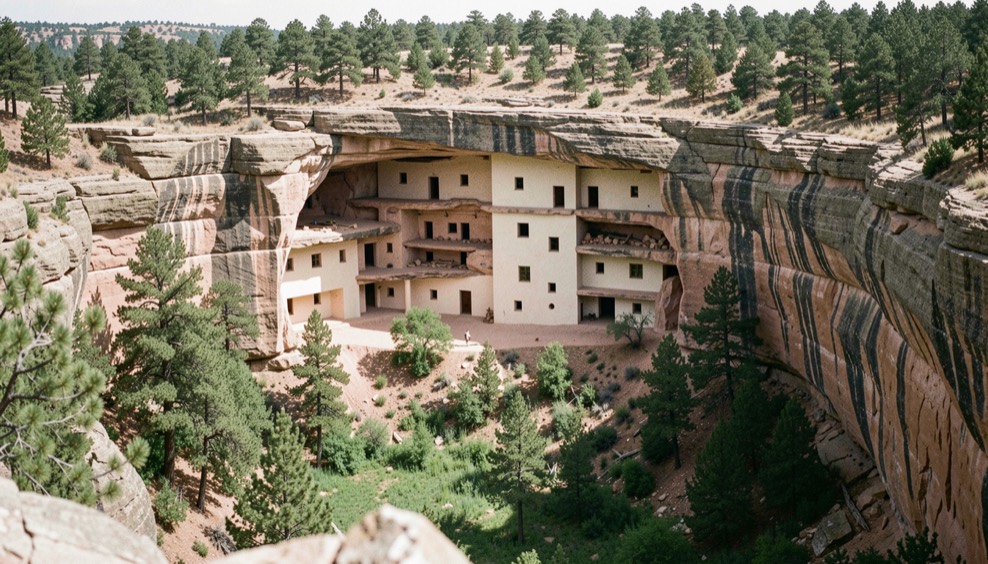
Mesa Verde cliff dwellings: an honest guide
America’s first cultural national park still runs on its own terms: timed tours, ladders, altitude and a thirteenth century street plan. Here is what a prepared visit looks like, season by season and dwelling by dwelling.
-
· Rock Art & Petroglyphs
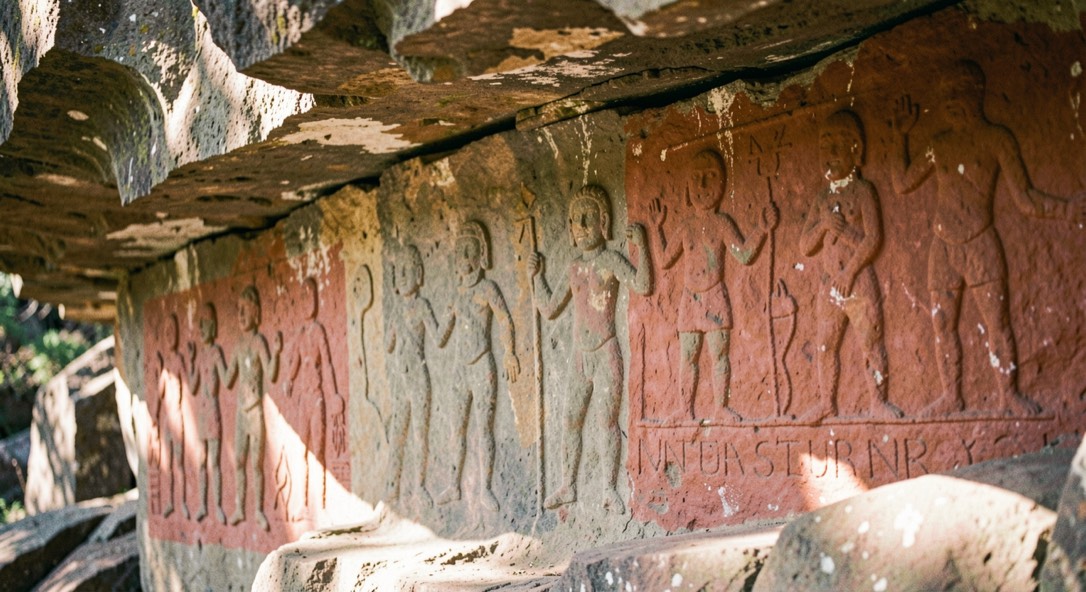
Petroglyphs and pictographs: a primer
Rock art is the Southwest’s oldest surviving graphic art, and it divides cleanly by technique: cut into stone or painted on it. Technique is also the honest place to start, because it dates, attributes and protects the panels.
-
· Visit Responsibly
The laws that protect ruins, in plain words
Four federal laws decide what you may touch, photograph, collect and report at a Southwest site. They are shorter and saner than their reputations, and an hour with this guide makes every trail sign legible.
-
· Ancient Peoples
Mogollon, Hohokam and the other Southwests
Guidebooks flatten the ancient Southwest into one pueblo-shaped story. In reality at least four traditions shared the region, and two of them, the Mogollon and the Hohokam, built worlds as impressive as any cliff palace.
-
· Iconic Sites
Choosing between the great ruin sites
Every Southwest itinerary dies of ambition: eight landmark ruins, two weeks, one driver. This comparison sorts the great sites by what they actually demand and give, so you can route a trip that ends satisfied.
-
· Rock Art & Petroglyphs
Reading rock art without overreading it
Every gift shop sells a decoder ring for rock art, and every professional archaeologist will tell you the decoder ring is wrong. Here is what careful reading looks like, from confident ground to honest unknowing.
-
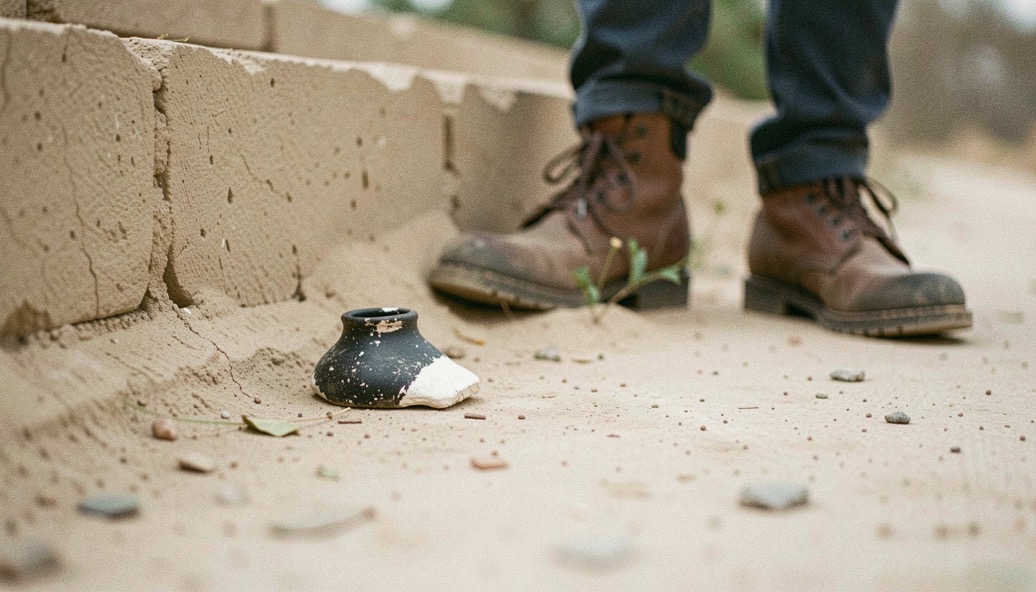
· Pottery & Artifacts
A sherd on the trail: look, record, leave
Sooner or later the Southwest puts a painted sherd under your boot. What you do in the next ten seconds decides whether you are a visitor or a looter, and the right choice is more interesting than the wrong one.
-
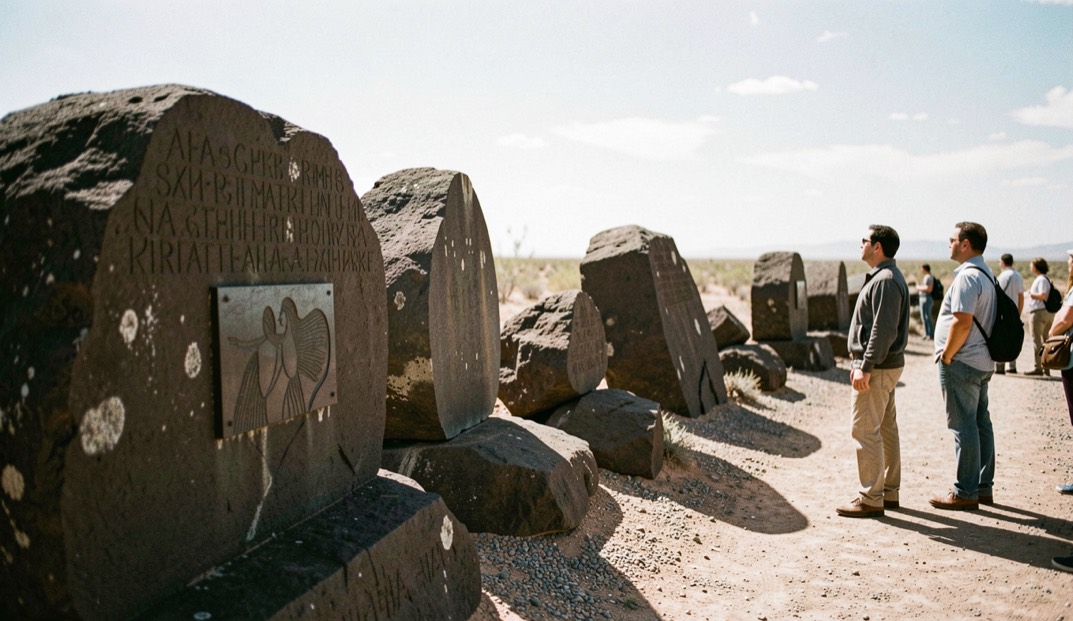
· Rock Art & Petroglyphs
Where to see rock art in the Southwest
Public rock art is easy to visit badly and wonderful to visit well. These six destinations cover every major tradition and technique, and each has rules that are really part of the art.
-
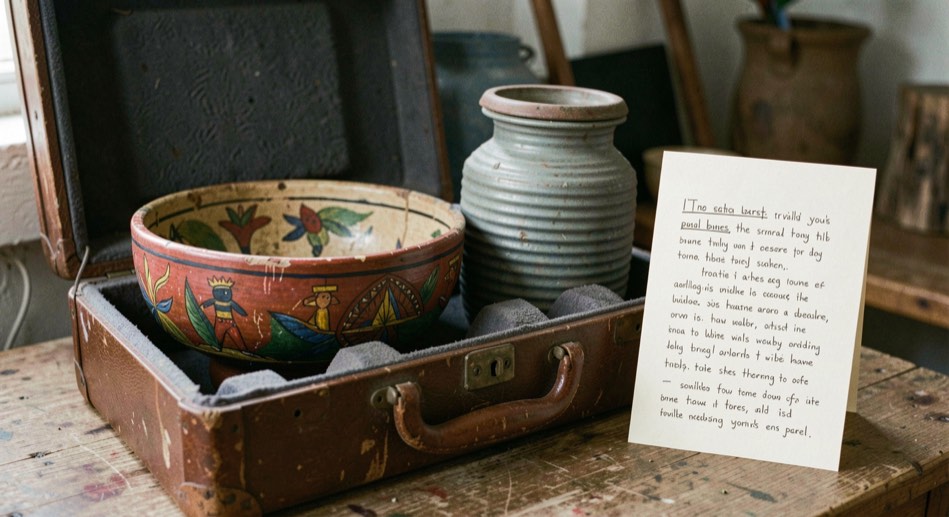
· Pottery & Artifacts
Where to see artifacts, lawfully displayed
The beautiful objects are mostly off the trail, behind glass and behind laws that finally reflect whose ancestors made them. Here is where to see Southwestern artifacts lawfully, and how to read the cases like a curator.
-

· Learning Resources
A starter reading list for the Southwest
The Southwest generates passionate writing the way it generates dust, and most of it is wrong for a beginner. These six books, two syntheses, one canyon study and three journeys, are the ones that still teach.
-
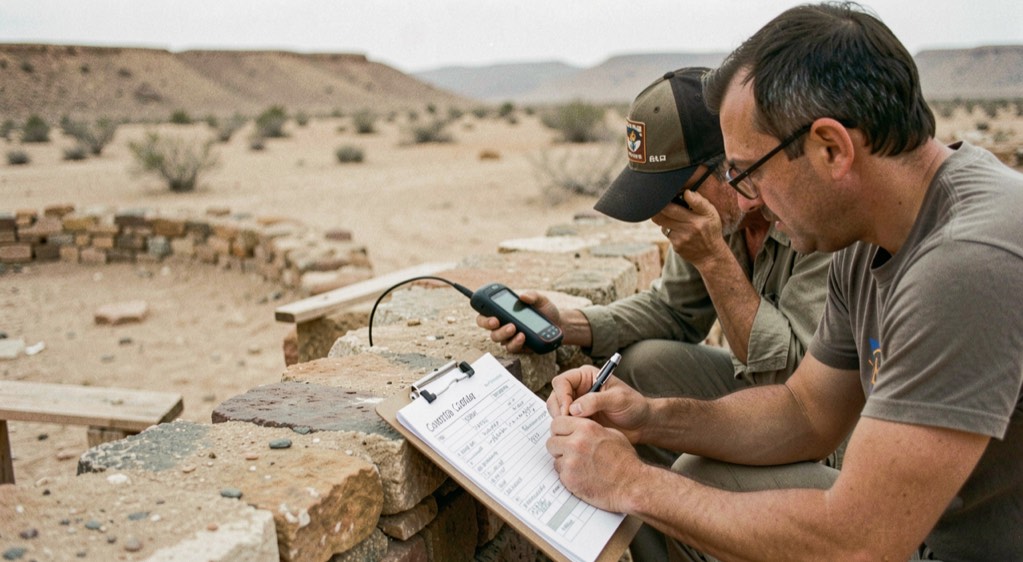
· Learning Resources
Learning archaeology without a shovel
The Southwest runs on trained volunteers. Site stewards walk sites and report damage, avocational programs teach method in the evening, and research centers take amateurs into the field legally. Here is how to join.
-
The signature page: the Pecos Classification, period by period
The page every other guide leans on: the periods and their dates from Paleoindian hunters to the living pueblos, how tree rings pinned the calendar, and the honest way to use a 1927 scheme in 2026.
Stratum 01 · Ancient Peoples
The notebook keeps one method throughout: real sites, real type names and real timelines, arranged so a traveler can act and a reader can check. The Pecos Classification is the spine; every guide leans on it and every visit traces it. Corrections and field reports reach the desk through the about page, and sponsored placements are governed by the sponsored content rules, never inside a guide's advice.