Stratum 05 · Visit Responsibly
Visiting Southwest archaeological sites responsibly
A preparation checklist for site visits, the etiquette that keeps ruins standing, and the antiquities laws explained in plain language.
- The Notebook desk
- 2 field notes
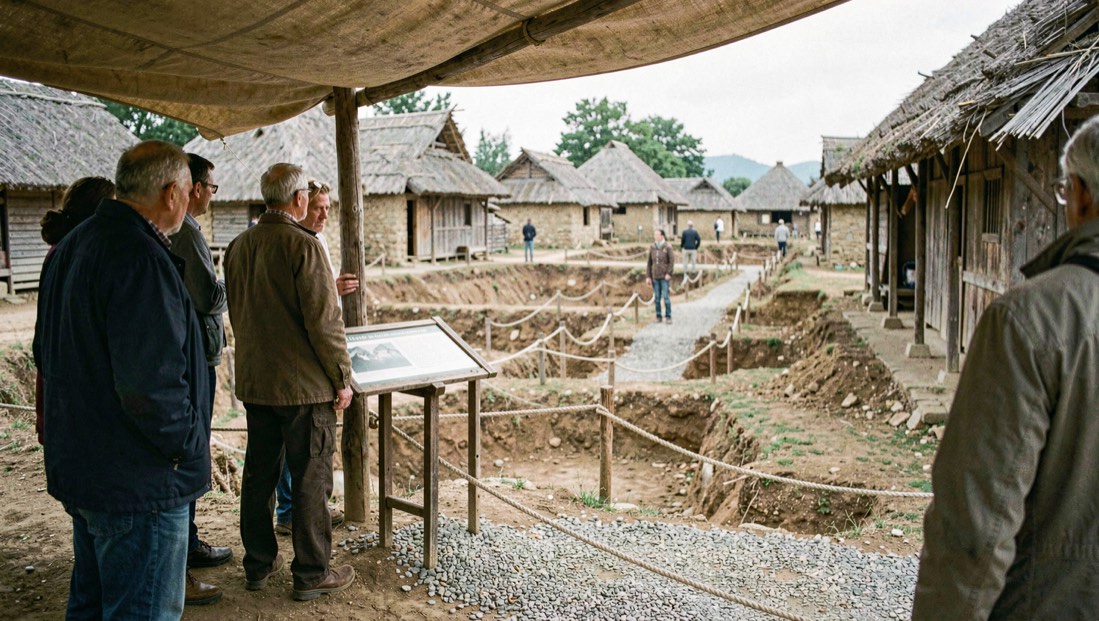
Most damage to Southwest sites is not villainy; it is thoughtlessness plus gravity, plus feet. The two guides in this stratum are the notebook's discipline. The first is the full preparation checklist: permits and road conditions, water and shoes, what to do at wall edges, ladders, graves and rock art, and how to behave when a site is also somebody's ancestral home. The second translates the protective laws, from the Antiquities Act of 1906 to ARPA and NAGPRA, into plain sentences a visitor can act on.
Read them before your first ruin, and again after your first ruin, when the temptation to climb a wall for a photograph will finally make sense to you.
In this stratum
-
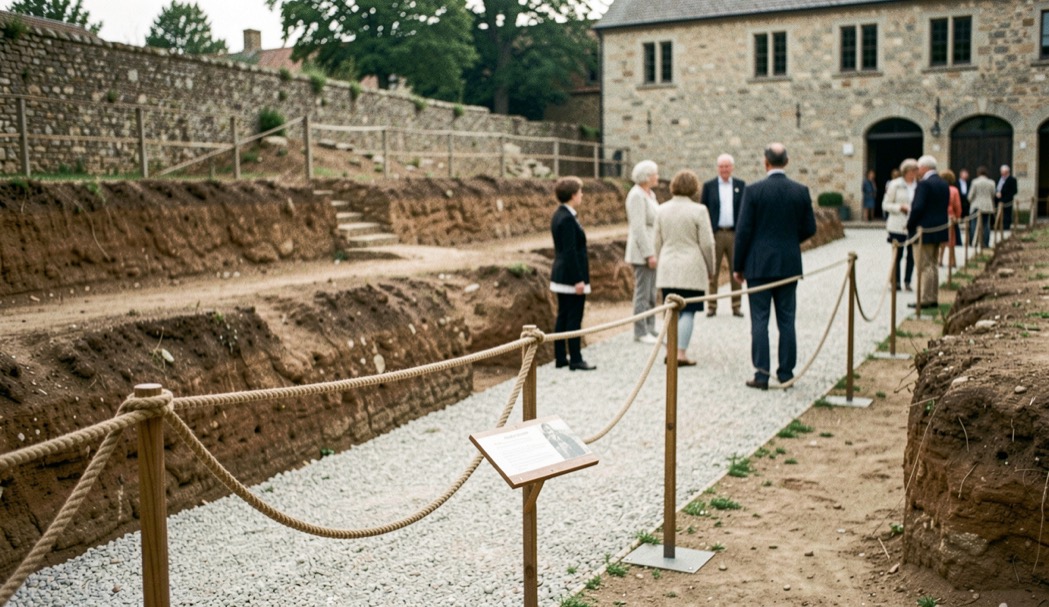
Visiting an archaeological site with care
A ruin visit is easy and it is rule bound, and the rules are not bureaucracy; they are the accumulated reasons sites survive. This checklist carries you from packing the car to leaving no trace that time can blame on you.
-
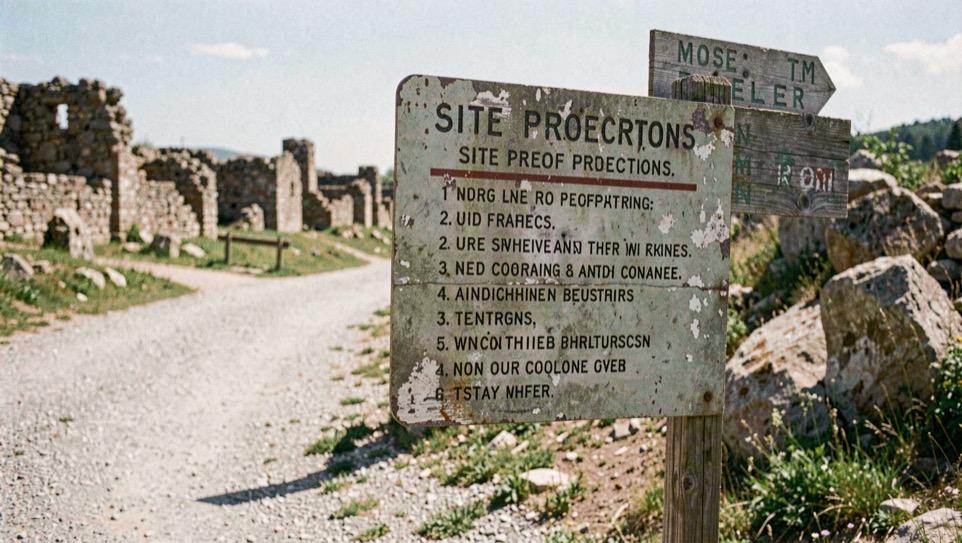
The laws that protect ruins, in plain words
Four federal laws decide what you may touch, photograph, collect and report at a Southwest site. They are shorter and saner than their reputations, and an hour with this guide makes every trail sign legible.
Every field note in this stratum is dated against the Pecos Classification timeline, the spine of the whole notebook, and two neighbouring strata extend it: Ancient Peoples and Iconic Sites.