Ancient Peoples
The Pecos Classification, period by period
Every site sign in the Southwest speaks in period names: Basketmaker III, Pueblo II, classic horizon. The scheme behind those words is one hundred years old, remarkably sturdy, and easier to use than most guidebooks admit.
A trail sign at a Southwest ruin rarely says "occupied in the thirteenth century." It says Pueblo III, or Basketmaker III, or sometimes a date range that seems to argue with the sign two miles away. The vocabulary comes from the Pecos Classification, the period scheme agreed at the first Pecos Conference in 1927, where archaeologists led by Alfred Kidder tried to force a century of scattered observations into one readable sequence. It has been amended, argued over and partially replaced ever since, and it still opens every serious conversation about the region. Learning it is the cheapest upgrade a Southwest traveler can buy.
How the scheme was built
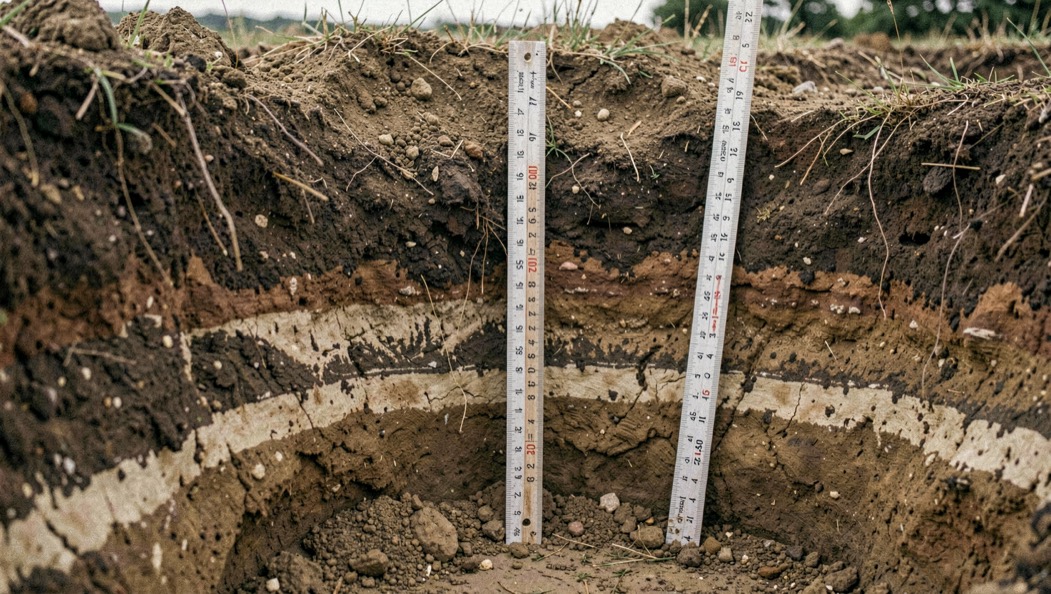
The classification is a child of stratigraphy. Early excavators noticed that deeper layers of a midden held simpler things: no pottery, then plain gray ware, then painted bowls, then glaze paints. Architecture told the same story upward, from shallow pithouses to surface rooms to cliff alcove villages. Kidder and his colleagues gave each chapter of that story a name, and the names were deliberately about ways of life rather than dates, because in 1927 the Southwest had almost no absolute dates. Tree ring dating, or dendrochronology, matured within a few years and supplied the calendar the scheme lacked: beams preserved in dry rooms let laboratories pin construction episodes to individual years, in some cases to the season of felling.
That combination, a cultural sequence plus an annual calendar, is why Southwest archaeology reads more precisely than almost any other region its size. When a guide says a beam was cut in 1261, that is not an estimate from charcoal; it is the tree's own ring record, anchored by a continuous chronology built back more than two thousand years.
The periods, from first hunters to the living pueblos
The table below is the working version most agencies and parks use today. Treat every date as a middle of a range, and expect edges to move a century or more between regions.
| Period | Rough dates | What defines it | Representative places |
|---|---|---|---|
| Paleoindian | about 9500 to 6000 BCE | fluted spear points, mobile big game and foraging bands | Clovis and Folsom point sites |
| Archaic | about 6000 BCE to 500 CE | broad spectrum foraging, ground stone, earliest corn in small plots | rockshelter camps across the Colorado Plateau |
| Basketmaker II | about 500 BCE to 500 CE | maize and squash farming, twined baskets, atlatl, no pottery | cave sites on Cedar Mesa and in northeast Arizona |
| Basketmaker III | about 500 to 750 CE | first plain and gray pottery, beans, pithouse villages | Mesa Verde pithouses, Chaco's early villages |
| Pueblo I | about 750 to 900 CE | surface masonry rooms beside pithouses, red ware and corrugated pottery | villages in the Dolores valley and along the San Juan |
| Pueblo II | about 900 to 1150 CE | great houses, great kivas and roads in Chaco's orbit, black-on-white painting | Chaco Canyon, Aztec Ruins, Wupatki |
| Pueblo III | about 1150 to 1300 CE | cliff dwellings and large planned villages, the classic horizon of Mesa Verde | Mesa Verde alcoves, Hovenweep towers, Canyon de Chelly |
| Pueblo IV | about 1300 to 1600 CE | huge aggregated towns on the Rio Grande and at Hopi, glaze pottery, katsina religion | Pecos Pueblo, Bandelier's Tyuonyi, Hopi villages |
| Pueblo V | 1600 CE to today | the living pueblos, from first Spanish contact onward | Hopi, Zuni, Acoma, the Rio Grande pueblos |
Why the dates are ranges, not doors
Pecos names are habits, not laws. The boundaries were drawn from the Mesa Verde country where the scheme was first applied, so a date that ends a period there may not describe the Mogollon highlands or the Hohokam desert at all, and those regions keep their own sequences. Archaeologists now often speak of BCE and CE dates directly, or use regional schemes, but the old labels survive on signs because they compress a lot of information into two words. A sign reading Pueblo II is telling you three things at once: the rough centuries, the kind of architecture to expect, and the pottery that probably litters the ground you are walking beside, and you should be walking, not collecting, a rule the antiquities laws guide explains in full.
Use the timeline as a question generator rather than an answer key. If a village is Pueblo I, ask why people began stacking surface rooms precisely then, and what the pithouse beside them was still for. If a canyon empties at the end of Pueblo III, ask what the tree rings say about the 1270s and 1280s drought. The classification earns its keep when it starts those questions, not when it ends them.
A checklist for reading any site sign
- Find the period name and place it in the table above before walking the trail.
- Check whether the sign gives tree ring dates, radiocarbon estimates or both.
- Look at the masonry: coursed stone suggests later Pueblo building, Jacal posts and mud suggest earlier or humbler walls.
- Name the pottery you hope to see in the exhibit, then go look at it instead of the ground.
- Note one detail the sign cannot date, such as a remodeled wall, and imagine the argument about it.
Mistakes to avoid with the Pecos scheme
Four habits produce most of the confusion. First, applying the scheme to the whole Southwest as if the Hohokam and Mogollon used it too; their sequences differ and the comparison table in our guide to the other Southwest cultures keeps them straight. Second, treating period edges as catastrophic moments when they are statistical averages drawn at a conference table. Third, assuming "Pueblo V" ended in the past; the period runs to the present, because the pueblos are living communities rather than a chapter that closed. Fourth, quoting a single year as if every site of that period was built then; beams date specific rooms, not cultures. The gravest mistake is also the most common: saying the Ancestral Puebloans vanished, when the evidence and the descendant communities both say migration, a story told properly in our guide to the Ancestral Puebloan migrations.
The decision the timeline serves
Choose the Pecos Classification as your filing system for everything else on this site, and specific rewards follow: ruin comparisons sort cleanly by period, pottery types land in the century they belong to, and trip planning gains an argument, because a Pueblo II itinerary and a Pueblo III itinerary visit different canyons. Read it once, carry the table, and the Southwest stops being a scatter of famous walls and becomes what it actually is, a thousand year conversation in stone, dirt and tree rings that you can now follow in order.