Stratum 03 · Rock Art & Petroglyphs
Rock art of the Southwest: petroglyphs and pictographs
How petroglyphs are pecked and pictographs painted, what the common motifs might mean, and where to see major panels with clean hands and clear rules.
- The Notebook desk
- 3 field notes
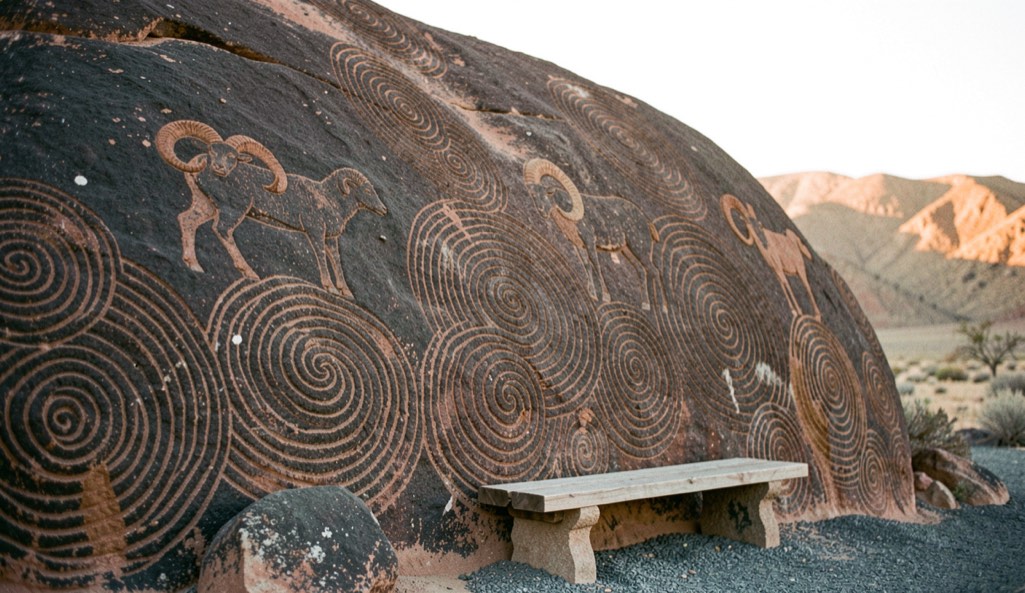
Rock art is the Southwest's largest archive and its easiest to damage. These three guides build a careful reader. The first separates petroglyphs from pictographs and explains the workshop: stone, pigment, hammerstone and patience. The second faces the honest problem that there is no dictionary, showing which readings scholars share, which they argue over, and why descendant communities treat many panels as documents that still belong to them. The third lists the major public panels, from Petroglyph National Monument to Newspaper Rock, with the etiquette each one expects.
Carry one rule the whole stratum repeats: look, photograph, record, and touch nothing. The reasons, chemical and legal, are spelled out in each guide.
In this stratum
-
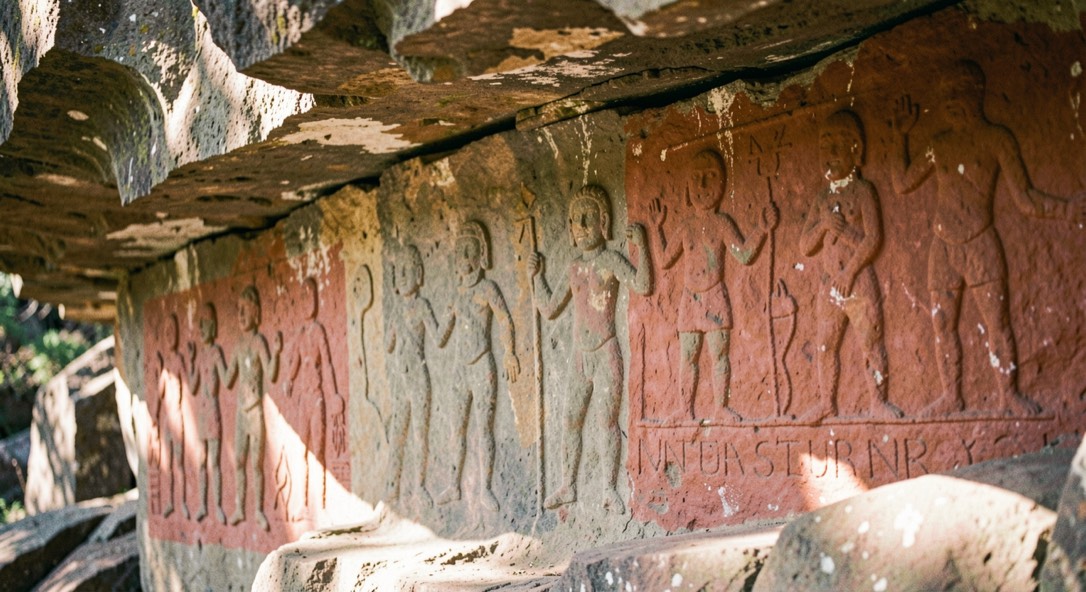
Petroglyphs and pictographs: a primer
Rock art is the Southwest’s oldest surviving graphic art, and it divides cleanly by technique: cut into stone or painted on it. Technique is also the honest place to start, because it dates, attributes and protects the panels.
-
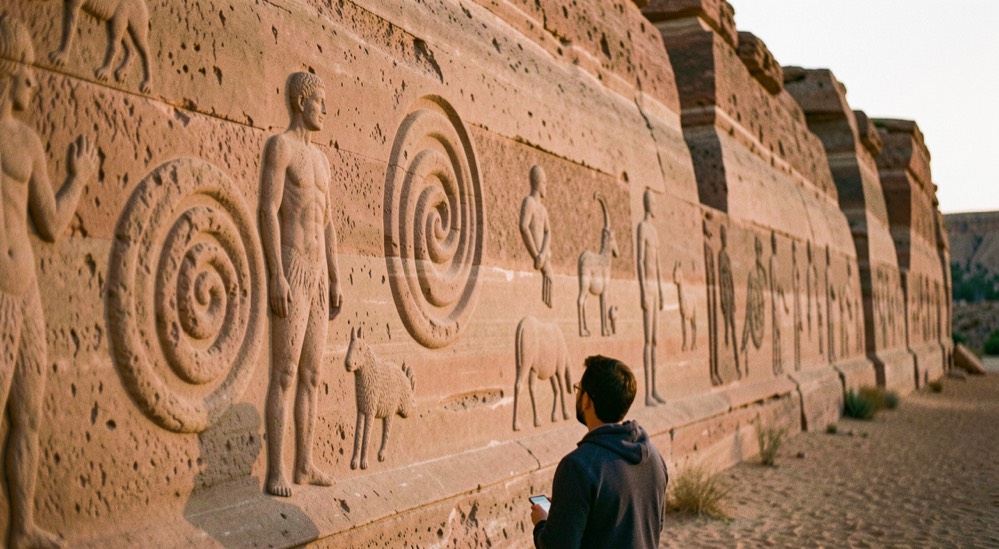
Reading rock art without overreading it
Every gift shop sells a decoder ring for rock art, and every professional archaeologist will tell you the decoder ring is wrong. Here is what careful reading looks like, from confident ground to honest unknowing.
-
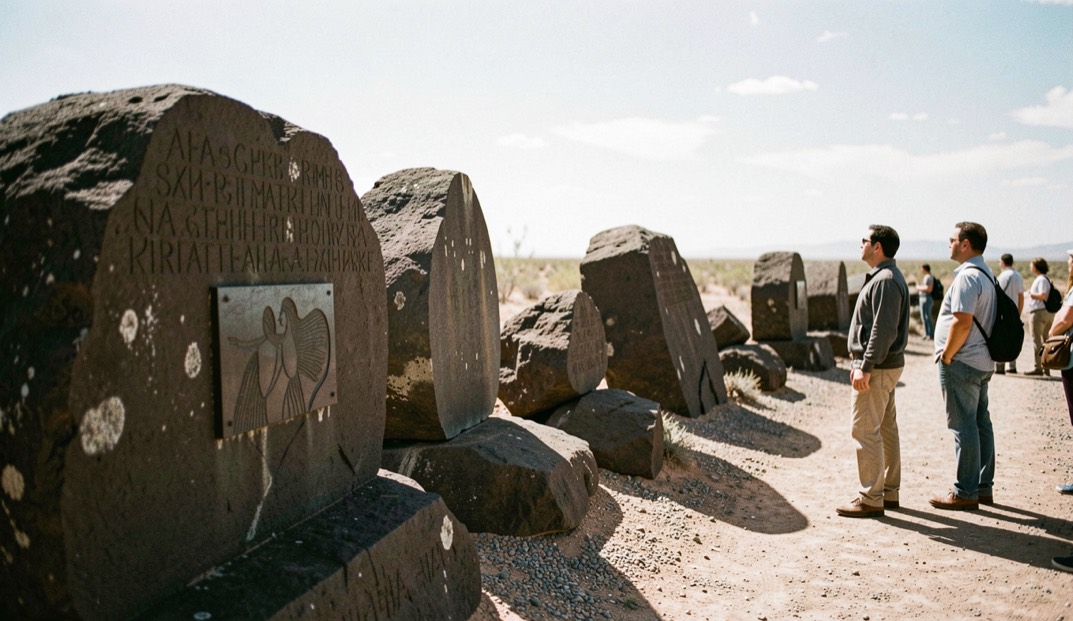
Where to see rock art in the Southwest
Public rock art is easy to visit badly and wonderful to visit well. These six destinations cover every major tradition and technique, and each has rules that are really part of the art.
Every field note in this stratum is dated against the Pecos Classification timeline, the spine of the whole notebook, and two neighbouring strata extend it: Ancient Peoples and Iconic Sites.