Stratum 01 · Ancient Peoples
Ancient peoples of the Southwest, culture by culture
Who the Ancestral Puebloans were, where the Mogollon and Hohokam farmed, and how the Pecos Classification turns twelve thousand years into named periods.
- The Notebook desk
- 3 field notes
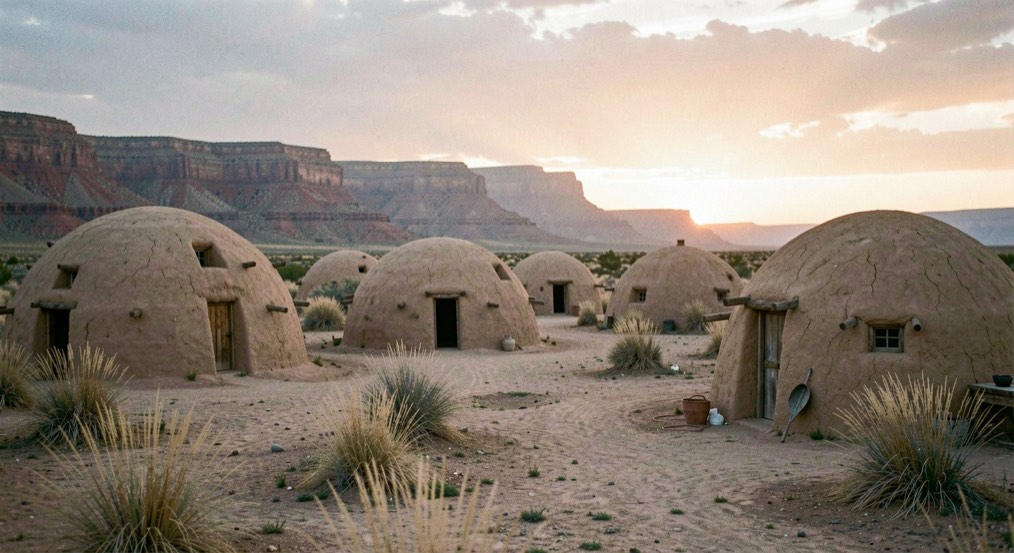
Every date and period named on this site leans on one framework: the Pecos Classification, the scheme agreed at a 1927 conference that turned layers of trash and architecture into a readable sequence from Paleoindian hunters to the living pueblos. The three guides in this stratum walk that sequence. One explains the periods and their dates. One follows the people, showing why archaeologists now speak of migration and descent into the Hopi mesas, Zuni and the Rio Grande pueblos rather than a vanishing. One widens the frame to the Mogollon highlands and the Hohokam deserts, because the Southwest was never a single culture.
Read this stratum first if you are new. The other five depend on its vocabulary: Basketmaker, great house, classic horizon, and the reason a site label that reads Pueblo III means something precise.
In this stratum
-
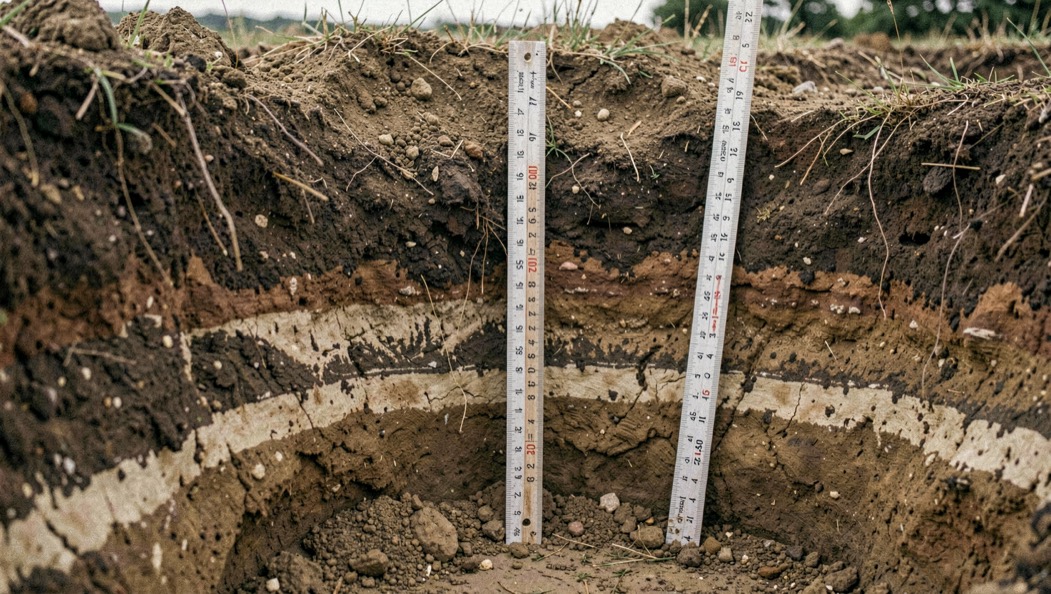
The Pecos Classification, period by period
Every site sign in the Southwest speaks in period names: Basketmaker III, Pueblo II, classic horizon. The scheme behind those words is one hundred years old, remarkably sturdy, and easier to use than most guidebooks admit.
-
Where the Ancestral Puebloans went
The most durable myth in Southwest archaeology is that a whole people disappeared. The evidence says something quieter and more interesting: villages dissolved, people moved in known directions, and their descendants live where they said they would.
-
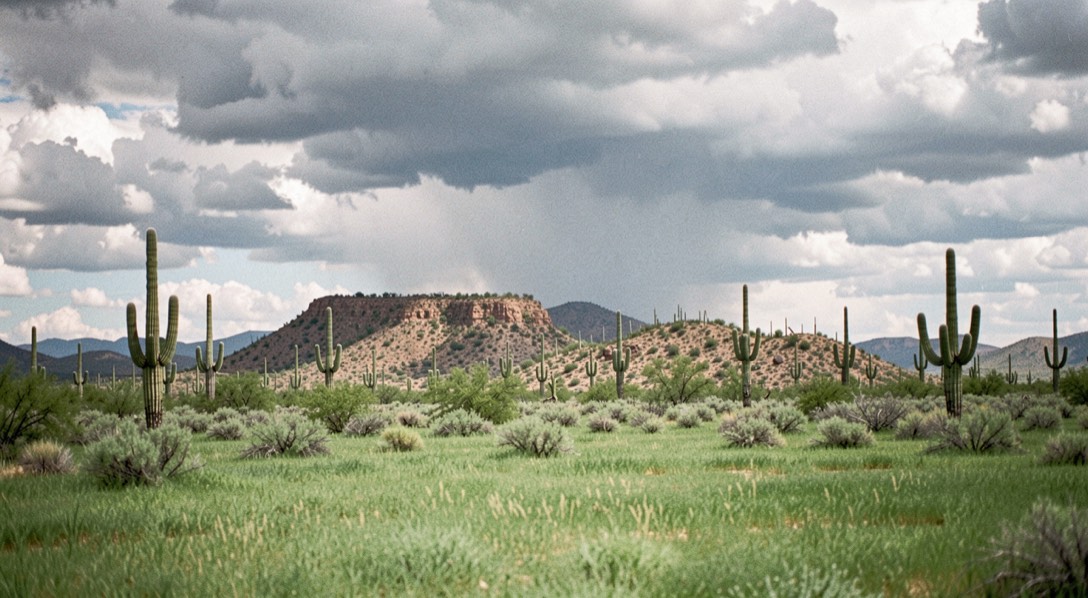
Mogollon, Hohokam and the other Southwests
Guidebooks flatten the ancient Southwest into one pueblo-shaped story. In reality at least four traditions shared the region, and two of them, the Mogollon and the Hohokam, built worlds as impressive as any cliff palace.
Every field note in this stratum is dated against the Pecos Classification timeline, the spine of the whole notebook, and two neighbouring strata extend it: Iconic Sites and Rock Art & Petroglyphs.