Stratum 06 · Learning Resources
Learning Southwest archaeology: books and stewardship
A starter reading list of serious Southwest archaeology books, and the stewardship and citizen science programs that welcome careful amateurs.
- The Notebook desk
- 2 field notes
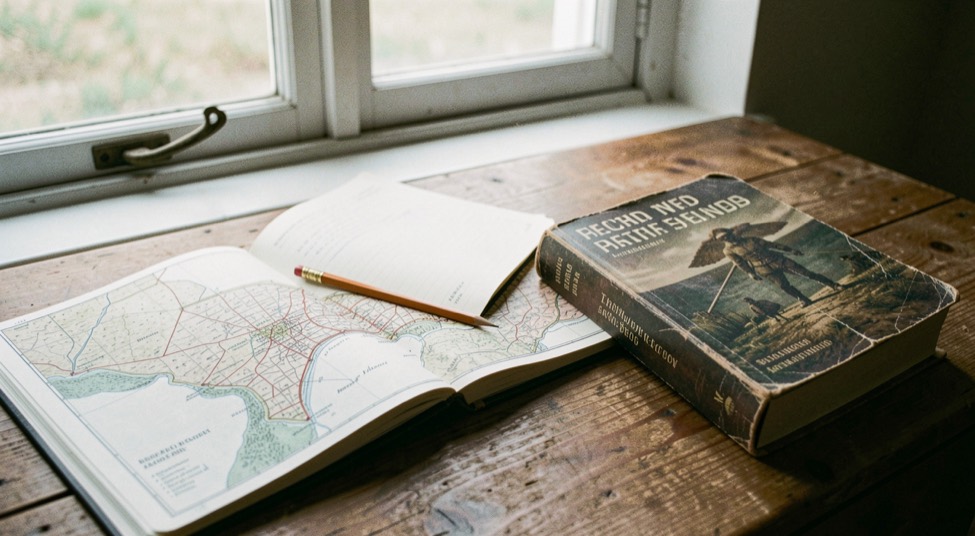
The notebook is a first layer, not the whole site deposit. This stratum is the handoff. One guide gathers a short reading list of books that have held up, from synthesis to narrative, with a note on when each one serves you best. The other maps the honest ways to go deeper than reading: site steward programs in Arizona and New Mexico, avocational certification, museum volunteering and the research center at Crow Canyon, none of which requires you to dig without training.
Both guides end the same way the law does: the point of learning this region is to leave more of it intact than you found, and the best amateurs are the ones agencies trust.
In this stratum
-
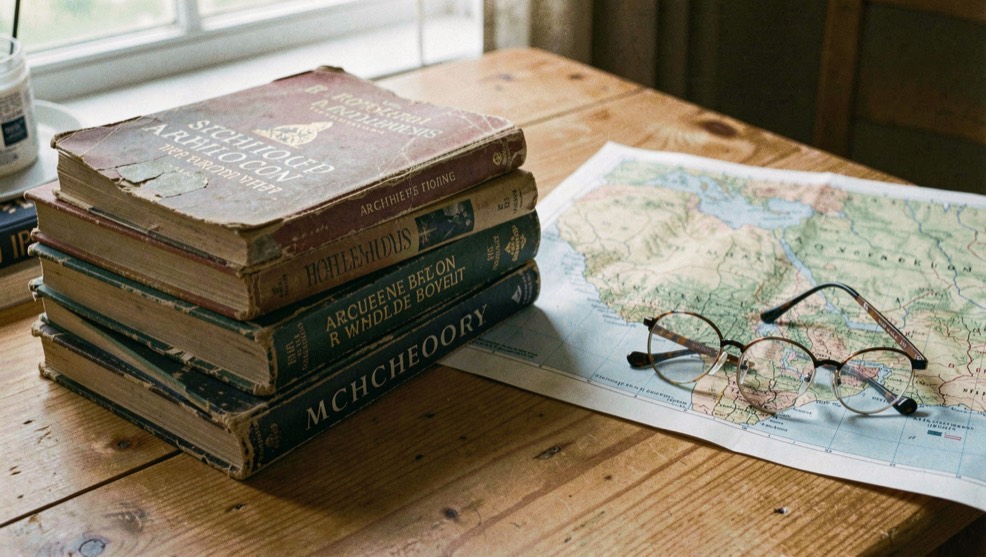
A starter reading list for the Southwest
The Southwest generates passionate writing the way it generates dust, and most of it is wrong for a beginner. These six books, two syntheses, one canyon study and three journeys, are the ones that still teach.
-
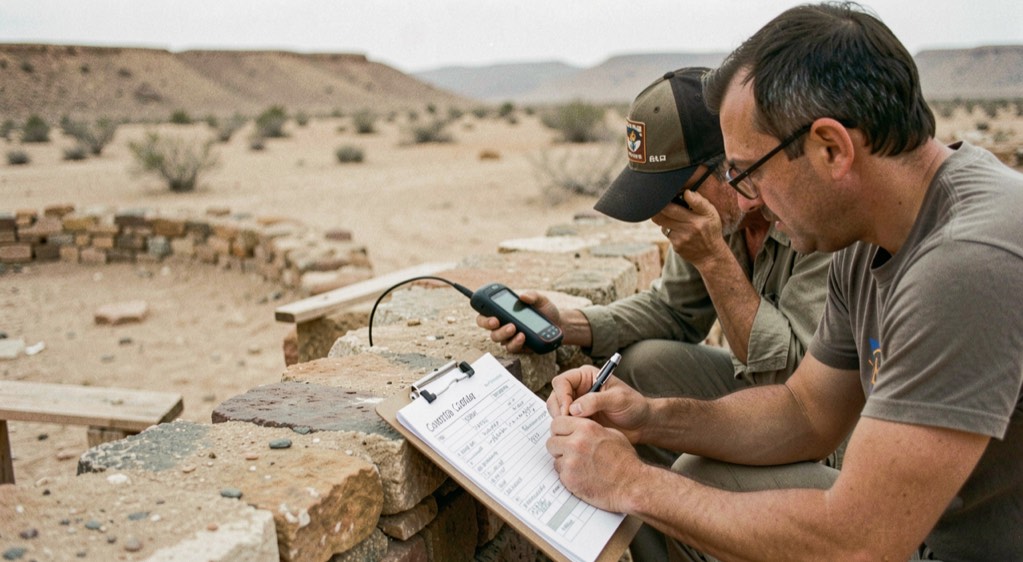
Learning archaeology without a shovel
The Southwest runs on trained volunteers. Site stewards walk sites and report damage, avocational programs teach method in the evening, and research centers take amateurs into the field legally. Here is how to join.
Every field note in this stratum is dated against the Pecos Classification timeline, the spine of the whole notebook, and two neighbouring strata extend it: Ancient Peoples and Iconic Sites.