Visit Responsibly
Visiting an archaeological site with care
A ruin visit is easy and it is rule bound, and the rules are not bureaucracy; they are the accumulated reasons sites survive. This checklist carries you from packing the car to leaving no trace that time can blame on you.
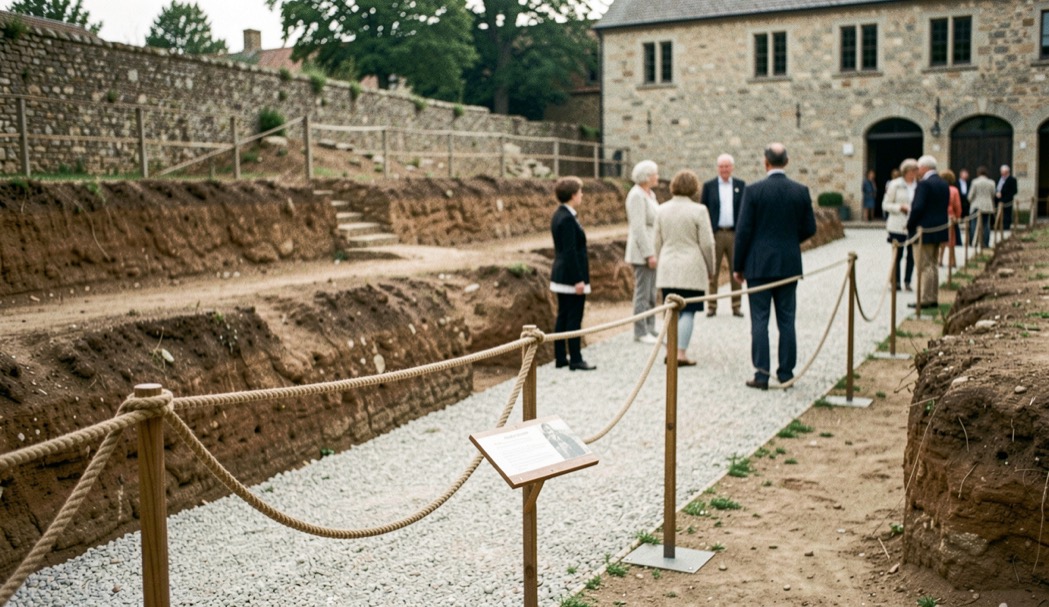
Every Southwest site you can visit is protected by three layers: law, management and manners. The law is in our guide to the antiquities statutes, management varies by agency, and manners are the layer you carry in. This guide is that third layer, organized as it is actually used: before you go, on the trail, at the wall, and after. Sites are not restored to be admired from a distance; they are kept so people can meet them, and the whole apparatus of barriers and ladders and closures exists so that the meeting can continue for the next generation.
Before you go: the planning half
Half of responsible visiting happens at a kitchen table. Check land status first, because national park, national forest, Bureau of Land Management, state, tribal and private ground each carry different rules, permits and closures. Check road status second; the famous sites sit at the end of dirt roads that seasons change, and Chaco's clay is a rite of passage best admired from a distance. Book what is bookable: timed tours at Mesa Verde, guided access at places that require it, campground nights where light and silence are part of the offer. Then pack for the desert rather than the brochure: more water than feels reasonable, real shoes, sun protection, and a paper map, because the canyon country is where phones go to rest.
| Question | Why it decides the trip | Where to check |
|---|---|---|
| Whose land is it? | sets permits, closures and etiquette expectations | the managing agency's page, tribal enterprise sites |
| Is the road open today? | washouts strand cars and strand you | agency road lines and the site's social feeds |
| Do I need a reservation? | tours and quotas sell out and turn you away | official concession and permit systems only |
| What is the water story? | most sites have none and the climate is a desert | bring it; all of it; always |
On site: walls, ladders, graves and panels
At the ruin itself, the rules compress into habits. Walk on paths and bare rock, never on walls, because a wall course that took a mason a morning takes a boot a second and takes conservators a season. Stay inside barriers even when nothing looks fragile; the rope marks where footfall becomes erosion, not where opinion begins. Never climb on rooms, doorways or rocks stacked by anyone, ancient or modern. Ladders on guided tours are one way for a reason. Kivas deserve particular care: entries are reconstructions of sacred spaces, and descendant communities still use the architectural form, so enter as invited, quietly, and photograph as permitted. Rock art panels follow the same grammar of the technique primer: look, photograph, never touch, and never apply anything to the stone.
Graves and human remains are the deepest rule, and it predates the signs. If you encounter bones, textiles or burial items, whether eroding from a cut bank or exposed by cattle, do not touch, do not photograph for social media, mark the location mentally, and report to the land manager. The law that governs them, covered in our statutes guide, exists because this exact moment has been handled badly for a century. Handle it well and you have done the single most important thing a site visitor can do.
The packing and conduct checklist
- Water for everyone, doubled in warm months, plus salty food and a real hat.
- Layered clothing for a place that can swing thirty degrees between shade and sun.
- Sturdy closed shoes with grip for stone, ladders and the gravel they call trail.
- A trash bag that starts and ends the trip in your pack; sites have no bins by design.
- Children briefed in the parking lot: walls are not furniture, and the rule has no exceptions.
- Dogs left home where rules require it, which is most archaeology, for reasons that sniff like burrows.
- A pencil note of one steward contact or agency number for reporting damage or finds.
Mistakes to avoid on a site visit
The damage ledger is short enough to memorize. Do not take anything: the collecting habit emptied the region once and the law now reads plainly, as our sherd guide explains. Do not climb, sit on or rebuild walls, including the sympathetic urge to restack a fallen stone; conservation masons photograph and log everything, and your rearrangement is vandalism of the record. Do not use drones where prohibited, which is nearly everywhere above ruins, and do not fly them over tribal land at all without permission. Do not wear the site smooth by going off path for a photograph; the wide shot exists at the overlook, which is why the overlook exists. Do not treat closures as suggestions or wet weather as courage. And do not leave marks of any kind, from cairns to initials to chalk, because everything added becomes someone's removal project and a scar in the meantime.
After: the half that makes you a steward
Responsible visiting ends with two small acts. Report what you saw: new damage, erosion, finds of concern, or a wall of graffiti, through the agency's channel or a steward program from our stewardship guide. And repeat the visit with someone who has never been, teaching the two rules that matter most, walls and water, which is how the etiquette actually reproduces. The Southwest's sites survived a thousand years of weather and one bad century of collecting; the manners above are how they survive yours.
The decision in the parking lot
Choose before you arrive to be the visitor the site was protected for. It costs a checklist, a little extra water and the discipline of the path, and it returns the only souvenir worth carrying: the knowledge that the wall you leaned on next to, rather than on, will still be straight when someone's grandchildren buy their first timed ticket. Every other guide on this notebook, from the Pecos timeline to the ruin comparisons, assumes you made that choice here.