Iconic Sites
Mesa Verde cliff dwellings: an honest guide
America’s first cultural national park still runs on its own terms: timed tours, ladders, altitude and a thirteenth century street plan. Here is what a prepared visit looks like, season by season and dwelling by dwelling.
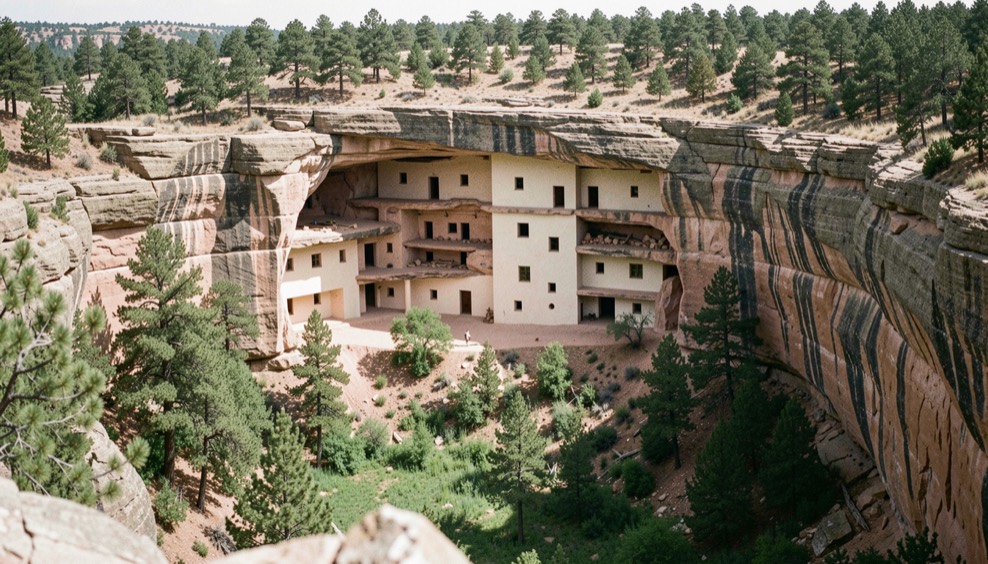
Mesa Verde National Park was created in 1906, in the same week as the Antiquities Act, to stop the looting of cliff dwellings that ranchers and early archaeologists had been emptying for a generation. It was the first national park set aside to protect human works rather than scenery, and it still protects the largest and most famous collection of cliff dwellings on the continent. The Ancestral Puebloan villages in the alcoves date mainly from the 1190s to the 1270s, the last chapter before the region's people moved on in the great migrations. The park sits high, dry and managed, and it rewards visitors who understand its machinery before arriving.
What the park actually contains
Mesa Verde is a cuesta, a tilted sandstone table, and its canyons are flanked by hundreds of alcoves. People farmed the mesa tops for centuries before they built in the cliffs: pithouses, then villages, then the move into alcoves in the 1200s. About six hundred cliff dwellings are recorded, of which a handful are developed for visits, along with thousands of surface sites, from Far View's great kiva to the tower clusters on Wetherill Mesa. The Chapin Mesa Archaeological Museum, near the loop, contextualizes everything and predates the war in its collection depth. The cliff dwellings are the poster, but the mesa top sites are where the daily architecture lives, and skipping them is the most common regret of first visits.
| Dwelling | Rough date and size | Access | Demands on the visitor |
|---|---|---|---|
| Cliff Palace | about 1190s to 1270s, some 150 rooms | ranger guided tour only, timed ticket | ladders, uneven stone steps, no shade |
| Balcony House | thirteenth century, mid sized | ranger guided tour only, timed ticket | a 32 foot ladder, a crawl tunnel, cliff edge trail |
| Long House | thirteenth century, second largest | ranger guided tour from Wetherill Mesa | two ladders, longer walk from the tram stop |
| Step House | thirteenth century, with earlier pithouse | self guided in season on Wetherill Mesa | a steep paved path, moderate heat exposure |
| Spruce Tree House | third largest, about 130 rooms | closed to entry since 2015 for rockfall | viewing only, from the museum overlook |
Tickets for ranger guided tours are timed, seasonal, typically late April into October, and sell out in summer; they are booked through the park's official concession partner. Spruce Tree House remains visible from the Chapin Mesa museum overlook, and the rockfall that closed it is itself a lesson in why alcoves are dynamic places, not stone vaults.
Reading an alcove village
A cliff dwelling is a planned community fitted into a rock shadow. Rooms for living line the back wall, storage cells crowd the margins, and round kivas sit in the court, their roofs doubling as plazas, which is why the tour route crosses them. Masonry walls show chinking and plaster; the alcove's overhang protects wood, so beams, second stories and even hand and toe holds pecked into the rock survive. Watch for the soot blackened ceilings, the corbelled vent stones and the seep spring line at the alcove's back, because the alcove was chosen for water as much as shelter. That choice also carried a cost: shorter growing seasons and harder water hauling, one of the pressures behind the eventual departure the Pecos timeline tracks.
A checklist for a Mesa Verde day
- Reserve timed tour tickets ahead for Cliff Palace or Balcony House, and choose Long House if knees matter.
- Enter the park early; the road from the entrance to Chapin Mesa runs about an hour of driving itself.
- Carry water and a real lunch; food is concentrated at the lodge and the schedules do not negotiate.
- Walk one mesa top site, Far View or the Cedar Tree Tower area, before the cliff tours.
- Save the museum for the heat of the afternoon and read the pottery cases against our pottery type guide.
Mistakes to avoid at Mesa Verde
The classic failure is arriving at noon in July without tour tickets and discovering that the dwellings are not visible except from overlooks, then blaming the park. Reserve ahead. The second is trying Spruce Tree House from old guidebooks; the closure is longstanding, and the overlook is what exists. The third is underestimating altitude, the park rim sits at about seven thousand feet and trails feel twice their length, and the fourth is letting children loose on ladders and edges, which the tours police strictly for good reason. Photography with tripods, drones and any object left against the walls has its own rules; learn the basics in our site etiquette checklist rather than learning them from a ranger's correction. And do not call the dwellings abandoned by accident of mystery; say what the evidence says, that their builders moved on with purpose, as the descendant communities have always said.
Decide your Mesa Verde strategy
Two days beat one: Chapin Mesa and its museum plus Cliff Palace on the first, Wetherill Mesa with Long House and Step House on the second, when the tram schedule runs. If you have only hours, buy the Balcony House ticket, because the ladder and tunnel make its scale unforgettable, then read Spruce Tree House from the overlook. If you cannot take tours at all, come in the self guided season for Step House and spend the saved time at Far View, where the village plans are legible and the crowds are thin. Mesa Verde is generous to every plan except the improvised one.